Make AI the Constraint, Not the Creative

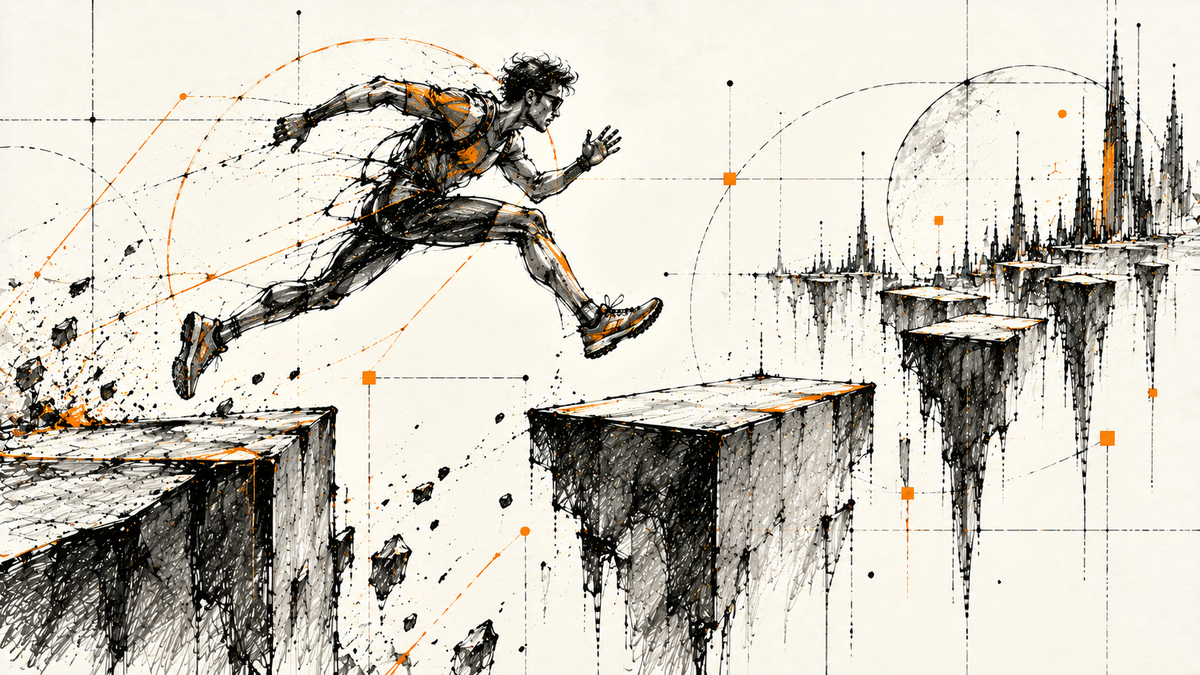
Creativity thrives under constraints. An illustrator working on paper knows a dozen tricks to draw in 3D. A filmmaker with a limited budget finds ways to visualize the impossible. And a sculptor who can only subtract and never add nevertheless learns how to transform a slab of marble into an artwork.
"But it is impossible to be an artist and not care for laws and limits. Art is limitation; the essence of every picture is the frame... The artist loves his limitations: they constitute the thing he is doing. The painter is glad that the canvas is flat. The sculptor is glad that the clay is colourless." (1908)
- G.K. Chesterton, English writer, journalist, literary critic (1874–1936)
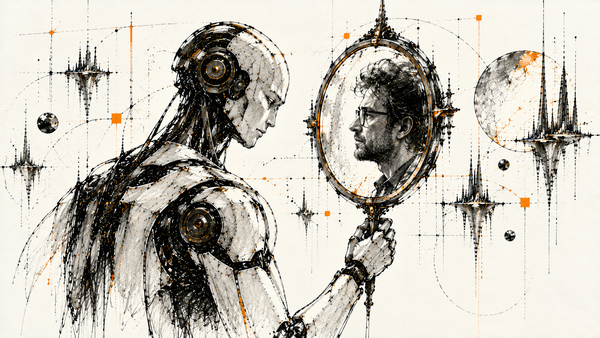
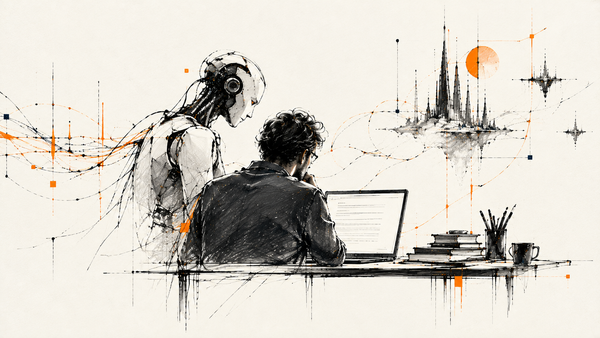
Claude handles my constraints.
I give Claude the background research that Perplexity does for my novel and then I instruct the AI to check everything I write. Are the military ranks I described incorrect? Red alert! Did I use a bad cliché when describing a minority group? "Scratch," says Claude's relentless red pen. Is a weather pattern inconsistent with the geography I described? Claude lets me know and doesn't hold back. It flags every little thing that violates the research.
Claude offers me obstacles while I do the jumping.
"The great artist is one whom constraint exalts, for whom an obstacle serves as a springboard. It was to a flaw in the very marble, so the story goes, that Michelangelo owed the invention of Moses's compact, coiled posture. It was the limited number of voices available to him on stage that compelled Aeschylus to devise the silence of Prometheus as he was chained to Mount Caucasus. Greece banished the man who added a string to the lyre. Art is born of constraint, lives by struggle, and dies of freedom." (1904)
- André Gide, French novelist, essayist, and humanist (1869–1951)
Claude discussed with me which story frameworks best work for the characters in my novel and now relentlessly judges each of my story beats against the frameworks we selected.
"Your All Is Lost moment (from Blake Snyder's "15 Beat Sheet") comes much too early in the story."
"Your side character's SHŌ doesn't match with her KETSU (from East Asia's KI-SHŌ-TEN-KETSU model.)"
"Your Kingdom In Chaos scene (from Kim Hudson's "Virgin's Promise") is not how it's supposed to be used.
Claude's watchful eye feels as annoying as it feels liberating.
"My freedom thus consists in my moving about within the narrow frame that I have assigned myself for each one of my undertakings. I shall go even further: my freedom will be so much the greater and more meaningful the more narrowly I limit my field of action and the more I surround myself with obstacles. Whatever diminishes constraint, diminishes strength. The more constraints one imposes, the more one frees one's self of the chains that shackle the spirit." (1939)
- Igor Stravinsky, Russian-born composer, pianist, and conductor (1882–1971)
So, do I use AI in my writing? Absolutely! I use Claude to enforce the constraints, which helps me be more creative.
AI gives me obstacles so that I can overcome them.
Jurgen